Last updated: March 2026 | 5 minute read
Washing cloth nappies doesn’t need to be complicated. With the right routine, the right detergent, and a little consistency, your nappies will come out clean, fresh, and stink-free every single time.
This guide is based on the latest science-backed advice from Clean Cloth Nappies, updated for 2026, and adapted for Australian washing machines and water conditions. Whether you’re brand new to cloth or troubleshooting an existing routine, this is everything you need to know.
Quick summary: The routine is a two-step wash — a short first wash every 1–2 days to remove soiling, followed by a longer main wash every 2–4 days in warm or hot water (40–60°C) with a good enzyme-based detergent. That’s it.
Step 1: Choose the Right Detergent
This is the single most important decision you’ll make for your cloth nappy wash routine. Not all detergents are up to the job — and many popular “eco” or “natural” brands don’t contain the enzymes needed to break down the proteins and bacteria in soiled nappies.
What you need in a cloth nappy detergent:
- Enzymes: Look for protease, amylase, lipase, and cellulase. These are the workhorses that break down urine, poo, milk proteins, and food stains. Without enzymes, you’re essentially just rinsing.
- Surfactants: Plant-based surfactants lift soiling from fabric fibres so it can be rinsed away.
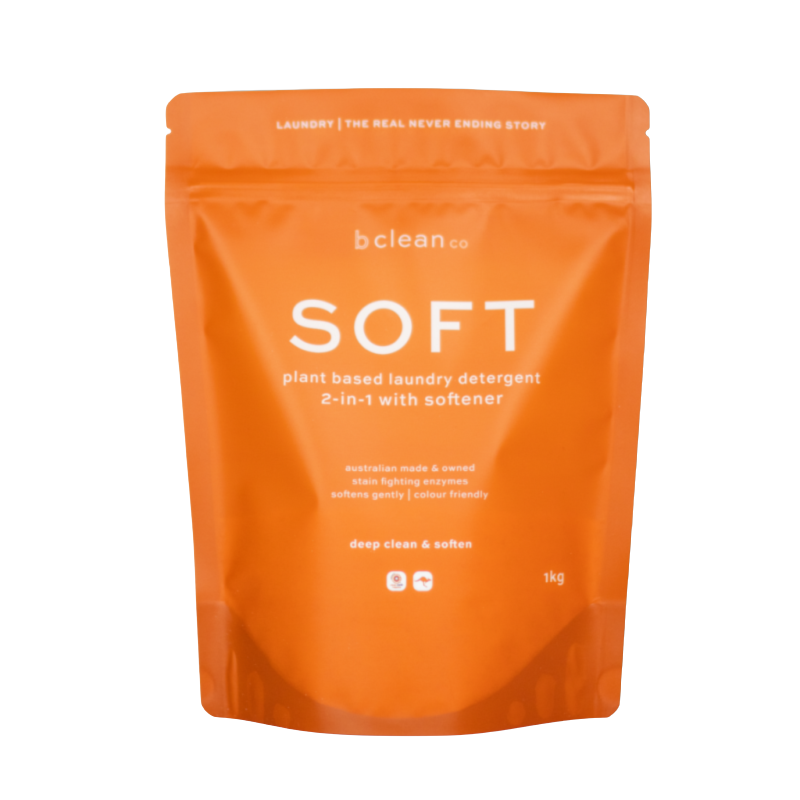
- No fabric softener or optical brighteners: These coat fibres and reduce absorbency over time. Avoid any supermarket detergent that includes built-in softener (thats why our SOFT is designed differently.
- No synthetic fragrances: Fragrances don’t rinse free and can irritate sensitive baby skin.
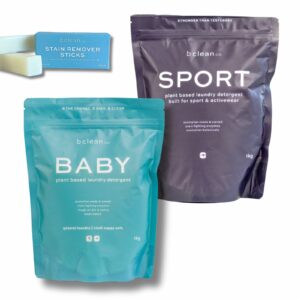
B Clean Co’s BABY and SOFT detergents are specifically formulated for cloth nappies, with four deep-cleaning enzymes, plant-based surfactants, and no nasties. Both are on the Clean Cloth Nappies approved detergent list.
Pro tip: If you’re using an eco detergent that doesn’t contain enzymes, you may need to double the dose, add bleach and wash at 60°C to get adequate results. Enzyme-based detergents like BABY and SOFT work effectively from 40°C.
Step 2: Store Nappies in a Dry Pail (No Soaking)
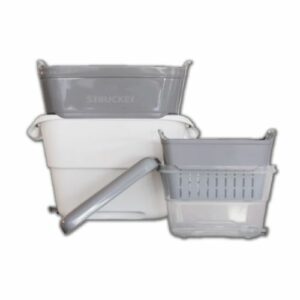
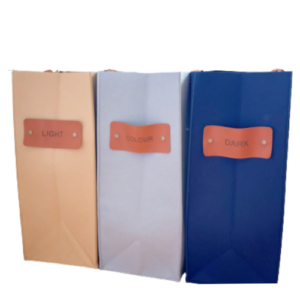
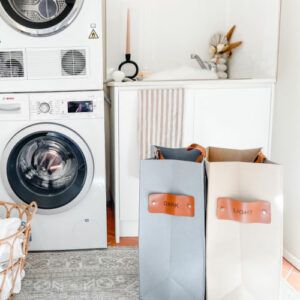
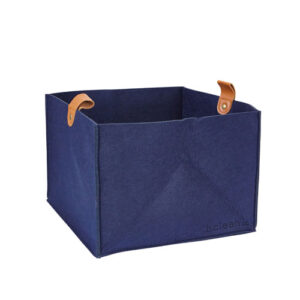
After changing your baby, remove solids and store the nappy in a dry pail until wash day. A dry pail is simply an open or ventilated basket or bucket — no water, no soaking solution.
What to do with different types of soiling
- Wet nappies only: Pop straight into the dry pail. No rinsing needed.
- Breastfed baby poo: Breastfed poo is water-soluble, so the nappy can go straight into the dry pail — no scraping required.
- Solid food poo: Remove solids by shaking into the toilet, scraping with a spatula, or using a nappy sprayer. Then place in the dry pail.
- Using a liner: If you’re using a disposable liner, lift out the liner with solids, dispose of it, and place the nappy in the pail.
Important: Do not soak cloth nappies. Soaking degrades elastics prematurely, creates a bacterial breeding ground, and is a drowning hazard for young children. Modern cloth nappies are designed for dry pailing and machine washing.
Step 3: First Wash (Pre-Wash) — Every 1–2 Days
Run a short wash cycle with detergent every 1–2 days. This removes the bulk of the soiling so your main wash is working with cleaner water.
Settings for the first wash:
- Cycle: Short cycle, quick wash, or express cycle (30–60 minutes). Make sure it includes a rinse and drain.
- Temperature: Warm — 40°C is ideal. Hot (60°C) is fine too.
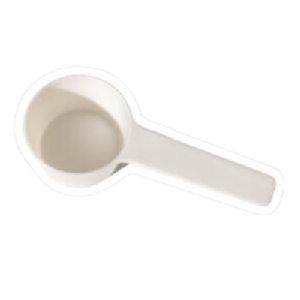
- Detergent: Half a scoop of BABY or SOFT (approximately 20–25g).
- Loading: Loading doesn’t matter for the first wash. Just put in whatever nappies you have.
After the first wash finishes, move the nappies to a second dry pail or basket where they’ll wait for the main wash. Don’t leave pre-washed nappies sitting for more than 3–4 days before the main wash.
Night nappies: Night nappies hold significantly more urine and should always be first-washed the following morning to prevent ammonia build-up.
Step 4: Main Wash — Every 2–4 Days
This is the deep clean. Run a long, warm or hot wash cycle with a full dose of detergent when you have enough nappies for a proper load.
Settings for the main wash:
- Cycle: Long cycle, cottons, or heavy-duty cycle — minimum 2 hours. Avoid eco or quick wash settings as these use less water and shorter agitation.
- Temperature: 40–60°C. The enzymes in BABY and SOFT activate from 40°C, but 60°C provides a more thorough sanitise. Check your nappy brand’s care instructions for maximum temperature.
- Detergent: 1–2 scoops of BABY or SOFT, depending on your machine size. Use the “heavily soiled” dose.
- Loading: This is where loading matters. Your machine should be approximately ¾ full when wet for proper agitation. If you don’t have enough nappies, bulk up the load with baby clothes, cloth wipes, or face washers. (avoid adding in towels, sheets or items with heavy duty buttons like jeans as this may cause your nappies to pil.
Tip: Get to know your specific washing machine. Front loaders, traditional top loaders, and high-efficiency top loaders all have different cycle lengths and water usage. Clean Cloth Nappies has cycle recommendations for over 60 different machines if you need specific guidance.
Step 5: Dry
Once the main wash is done, hang your nappies out to dry. Simple as that.
- Inserts and boosters: Line dry in the sun or tumble dry on low heat. Sunlight is a natural stain remover and sanitiser — UV light helps fade any remaining marks.
- PUL shells and covers: Line dry in the shade or on an indoor airer. Direct sunlight and high dryer heat can degrade the waterproof PUL laminate over time.
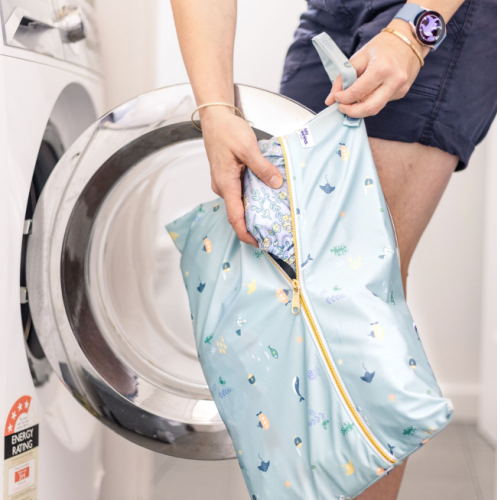
- Wet bags: Line Dry
Make sure everything is completely dry before storing. Damp nappies stored away will develop mildew and odour.
Troubleshooting: Common Cloth Nappy Washing Problems
Nappies smell like ammonia
Ammonia builds up when urine isn’t fully washed out. The fix is almost always more detergent, hotter water, and/or a longer main wash cycle. Make sure you’re not skipping the first wash step — this is the most common cause.
Nappies still smell after washing
If nappies smell clean out of the machine but develop a smell once wet again, there’s a build-up issue. Try increasing your detergent dose, checking that your water temperature is actually reaching 40–60°C, and ensuring your machine load is ¾ full for proper agitation.
Stains won’t come out
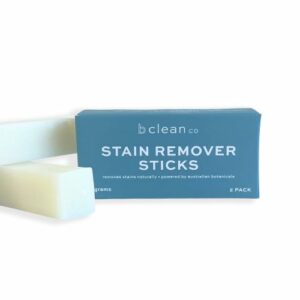
For stubborn stains, pre-treat with a natural stain remover stick before the first wash or use a supermarket stain spray like Vanish if you choose (but they are loaded with chemicals).
Nappies feel stiff or crunchy
This usually means the detergent isn’t fully rinsing out, or there’s mineral build-up from hard water. Try an extra rinse cycle after the main wash, or switch to a detergent formulated for Australian water conditions or try SOFT to add back softness without compromising absorbency.
Rash or irritation on baby’s skin
This can be caused by detergent residue (not enough rinsing), ammonia (not enough washing), or sensitivity to synthetic fragrances or additives. Switch to an enzyme-based, fragrance-free detergent like BABY, ensure you’re washing hot enough, and add an extra rinse if needed.
Quick Reference: Your Cloth Nappy Wash Routine at a Glance
| Step | When | Cycle | Temp | Detergent |
|---|---|---|---|---|
| Dry Pail | After each change | — | — | — |
| First Wash | Every 1–2 days | Short (30–60 min) | 40°C+ | ½ scoop BABY or SOFT |
| Main Wash | Every 2–4 days | Long (2+ hours) | 40–60°C | 1–2 scoops BABY or SOFT |
| Dry | After main wash | Line dry / low tumble | Sun for inserts, shade for shells | — |
Top Tips for Cleaner Cloth Nappies
- Don’t skip the first wash. It’s the single most important step for preventing smells and ammonia.
- Use enough detergent. Under-dosing is the number one cause of stinky nappies. When in doubt, add more, not less.
- Wash in warm or hot water. Cold water doesn’t activate enzymes effectively and won’t sanitise properly.
- Bulk your main wash to ¾ full. Too few items means poor agitation and an ineffective clean.
- Check your machine’s cycle length. Some “cottons” cycles are only 90 minutes — aim for 2+ hours for the main wash.
- Never use traditional fabric softener. It coats fibres and destroys absorbency.
- Prep new nappies before first use. Wash inserts 2–3 times to remove manufacturing residue and improve absorbency.
Ready to Make Cloth Nappy Washing Easier?
B Clean Co’s BABY and SOFT detergents are specifically formulated for washing cloth nappies. Made in Australia with plant-based ingredients and four deep-cleaning enzymes, they deliver a thorough clean without the harsh chemicals. No SLS, no synthetic fragrance, no optical brighteners — just brilliantly clean nappies.
This guide is based on current best practice from Clean Cloth Nappies and B Clean Co’s 20+ years of experience in cloth nappy care. Always check your specific nappy brand’s care instructions for temperature and washing guidelines. Updated March 2026.

Add comment